Jensen Huang's Nvidia Apology: A Leadership Lesson for the AI Era
Quick answer:
Jensen Huang, Nvidia's CEO, apologized to employees for violating the company's code of conduct at his first all-hands since returning, admitting to "very serious personal mistakes" that led to his resignation. Per WIRED (Nov 24, 2026), the board had accepted his resignation earlier in the month and CFO Colette Kress took over — but the same board reinstated him just 11 days later. In that window Nvidia lost more than $1 trillion of its market value, and Huang now faces a likely congressional testimony. The lesson for every leader: in the AI era, trust is a leader's biggest asset, and rebuilding it demands public accountability, a real feedback mechanism and total transparency.
Leading in the AI era takes skill, not luck. DigiNoron's private AI courses for executives are your guide.
Get Expert ConsultationWhat exactly happened with Jensen Huang's apology?
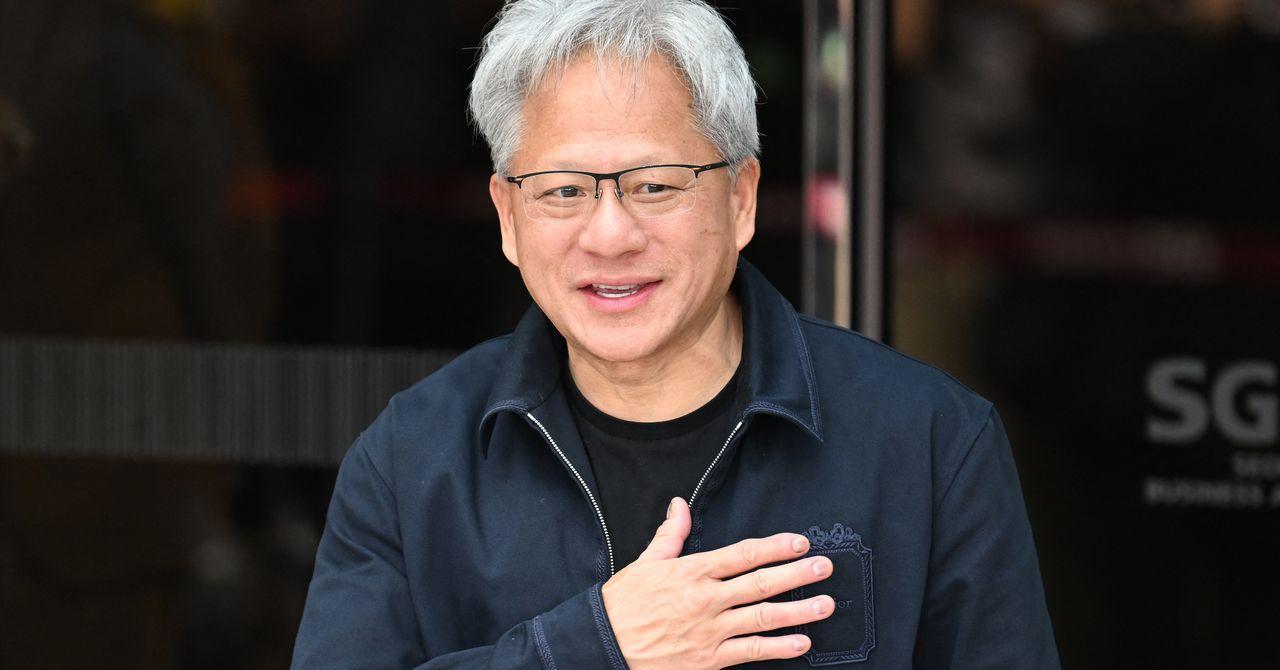
On Tuesday (Nov 24, 2026), Jensen Huang apologized to Nvidia employees for violating the company's code of conduct at his first all-hands since returning as CEO, saying he had made "very serious personal mistakes" — the reason he submitted his resignation. It is the biggest leadership crisis of the year in AI, with direct lessons for corporate governance and management.
Per WIRED, Huang opened with a painfully honest line: "This is going to be the hardest company meeting I've ever done, and the second hardest meeting I have ever done. The hardest meeting I've ever done was with my wife." He added that he has been going to therapy "every day for an hour and a half" and that it "has been helping me a lot." That level of openness — from a man who symbolized unrivaled power in the chip industry — is a template for every organization: a personal crisis becomes an organizational one the moment a leader dodges accountability.
From resignation to return: the 11 days that shook Nvidia
Board members accepted Huang's resignation earlier in November, citing concerns about his personal behavior and lack of candor after reports of extramarital affairs — including one with a woman accused of having ties to Chinese intelligence services. CFO Colette Kress became interim CEO. Yet the same board reinstated him on Monday, just 11 days later.
Why so fast? Per WIRED, the board acted after receiving fresh assurances from Huang and learning from the US administration that he was not under federal scrutiny. Those assurances matter doubly because Nvidia sits at the center of the world's AI supply chain and chip export controls. Reports tied to the scandal noted Nvidia had lost more than $1 trillion of market value since it began. Employee reaction was split: an internal "Bring Back THE Boss" petition drew more than 1,600 comments, mostly supportive, while some employees stayed worried — one quipped, "If Jensen comes back, I'm not doing any HR trainings ever again."
What did Huang actually say at the all-hands?
He apologized publicly, admitted "I hurt my family, I hurt my wife," disclosed his daily hour-and-a-half therapy sessions, reassured women at Nvidia that he is "one of our greatest advocates for creating an environment for women," and closed with a promise of continuity: "whether I'm here or not, this company is wired up to execute, execute, and execute."
The most striking part was how he paired accepting fault with defending the company's mission. "If I did anything that put that in jeopardy, I cannot tell you how sad I am, and I'll do everything I can to fix it," Huang told employees, before pivoting to operational reassurance — a message aimed at investors and worried staff alike. For managers, this blend of "accepting responsibility + protecting the mission narrative" is a classic crisis-management pattern that never works without the initial honesty.
What do the code of conduct and the new review mean?
Huang stressed that Nvidia's code of conduct — much of which he wrote himself — still governs how employees treat one another and exists to "create an environment that's safe for people." Violations will not be tolerated, but that "does not mean, the moment you violate a code of conduct, we walk you out the door; facts, circumstances" matter. He will be the first and only person at Nvidia to undergo a monthly feedback review from colleagues.
That decision carries a double message: the leader places himself under the very rules he wrote, yet he chose not to extend the practice companywide — itself a debatable call. The key takeaway for organizations is that an accountability mechanism is only believable when it starts at the top and the leader volunteers as the first person under review, rather than standing above the rules.
The legal dust has not settled
His return is not the end of the story: the board is still investigating whether he was targeted by a foreign intelligence service; US lawmakers expect him to testify before Congress next week; and lawsuits and probes continue into Nvidia's disclosures and its compliance with US chip export controls.
This is what gives the scandal a harder security edge: the claim that one affair involved a woman accused of ties to Chinese intelligence landed precisely at the company building the chips behind the world's most advanced AI models. WIRED had earlier asked how the world's most powerful AI executive could fall for such an operation. The governance lesson is universal: information-security risk always starts with humans, not technology.
Conventional leadership vs accountable leadership in the AI era
The difference shows in how a leader faces error: conventional leadership denies or buries the crisis and loses trust in one stroke; accountable leadership — what Huang attempted with a public apology, an accepted review and transparency — keeps the path to rebuilding trust open. The table compares the two approaches across five key dimensions.
| Dimension | Conventional leadership | Accountable leadership |
|---|---|---|
| Facing a code-of-conduct breach | Deny, minimize or cut a back-room deal | Public apology and personal responsibility |
| Transparency with the board | Incomplete information ("lack of candor") | Real assurances and full disclosure |
| Talking to employees | Silence or a cold PR statement | Shows up at the all-hands and answers concerns |
| Feedback mechanism | Reviews for everyone except the leader | The leader is the first and most reviewed person |
| Managing the financial fallout | Ignored until market value collapses (over $1T here) | A clear message of continuity and mission to the market |
AI makes this equation even harder: organizations deploying AI agents grant people wider access and more sensitive decisions, so every dent in leadership trust also stalls new technology rollouts. To see how to tie an AI training program to corporate governance, our deep dive on AI training for managers is a good starting point.
Managers who truly understand AI turn crises into opportunities. A tailored training program for your organization is ready.
Get Expert Consultation5 common mistakes leaders make in a personal leadership crisis
Most organizations react to a leader's personal crisis in exactly the opposite way Nvidia did: silence, denial, board infighting, half-baked succession and promises without mechanisms. Learn these five mistakes so your organization never becomes their next case study.
- Silence instead of public accountability: a leader's silence hands the narrative to rumor. Huang did the opposite and showed up at the all-hands on day one.
- Double-standard rules: a code of conduct that is strict for ordinary employees but exempt for the CEO loses all credibility. Huang made himself the first person under monthly review.
- Hiding information from the board: the most cited reason for accepting the resignation was "lack of candor" — the concealment itself became part of the crisis.
- Half-baked succession planning: Colette Kress lasted just 11 days as interim CEO. With a serious succession plan, markets would not have swung by a trillion dollars.
- Ignoring human security risk: the alleged Chinese-intelligence link proved that an organization's biggest security hole is the personal behavior of key people — not its servers.
Quick answers (voice search)
Who is Jensen Huang and what happened to him?
Jensen Huang is the co-founder and CEO of Nvidia, the world's biggest AI-chip maker. He resigned in early November 2026 over code-of-conduct violations, was reinstated 11 days later, and apologized to employees at his first all-hands back.
Why did he resign and why did he come back?
The board accepted his resignation over personal conduct and lack of candor; it reinstated him just 11 days later after fresh assurances and confirmation he was not under federal scrutiny.
What did this cost Nvidia?
More than $1 trillion of market value since the scandal began, plus ongoing legal and security reviews and a likely congressional testimony.
What is the lesson for leaders?
Nobody stands above the code of conduct; open accountability and a top-down feedback mechanism are the only path to rebuilding trust.
Is your organization ready for the age of AI agents? Leverage DigiNoron's 5+ years of enterprise AI project experience.
Get Expert ConsultationFAQ
What did Jensen Huang say at the Nvidia all-hands?
Per WIRED, he apologized for violating the code of conduct, admitted to "very serious personal mistakes" that led to his resignation, revealed he attends therapy daily for an hour and a half, and agreed to receive monthly feedback from colleagues.
Why did Jensen Huang resign from Nvidia?
The board accepted his resignation earlier that month, citing concerns about his personal behavior and lack of candor following reports about extramarital affairs — including one with a woman accused of ties to Chinese intelligence services.
How did Nvidia bring him back?
The same board reinstated him just 11 days later after fresh assurances and confirmation he was not under federal scrutiny — a window in which Nvidia lost over $1 trillion of market value.
What legal challenges lie ahead for Nvidia?
The board's investigation into foreign-intelligence targeting continues, lawmakers expect Huang to testify before Congress next week, and probes into Nvidia's disclosures and export-control compliance are ongoing.
What should organizations learn from this?
Open accountability over silence, one code of conduct for everyone including the CEO, serious succession planning and full board transparency are the four pillars of trust in a crisis — skills that AI leadership training builds in managers.

DigiNoron Specialist Team
5+ years of AI project experience
The DigiNoron Specialist Team, with 5+ years of enterprise AI project experience, produces articles and courses that grow the digital skills of managers, teams and enthusiasts.
DigiNoron Specialist Team
5+ Years of AI Project Experience